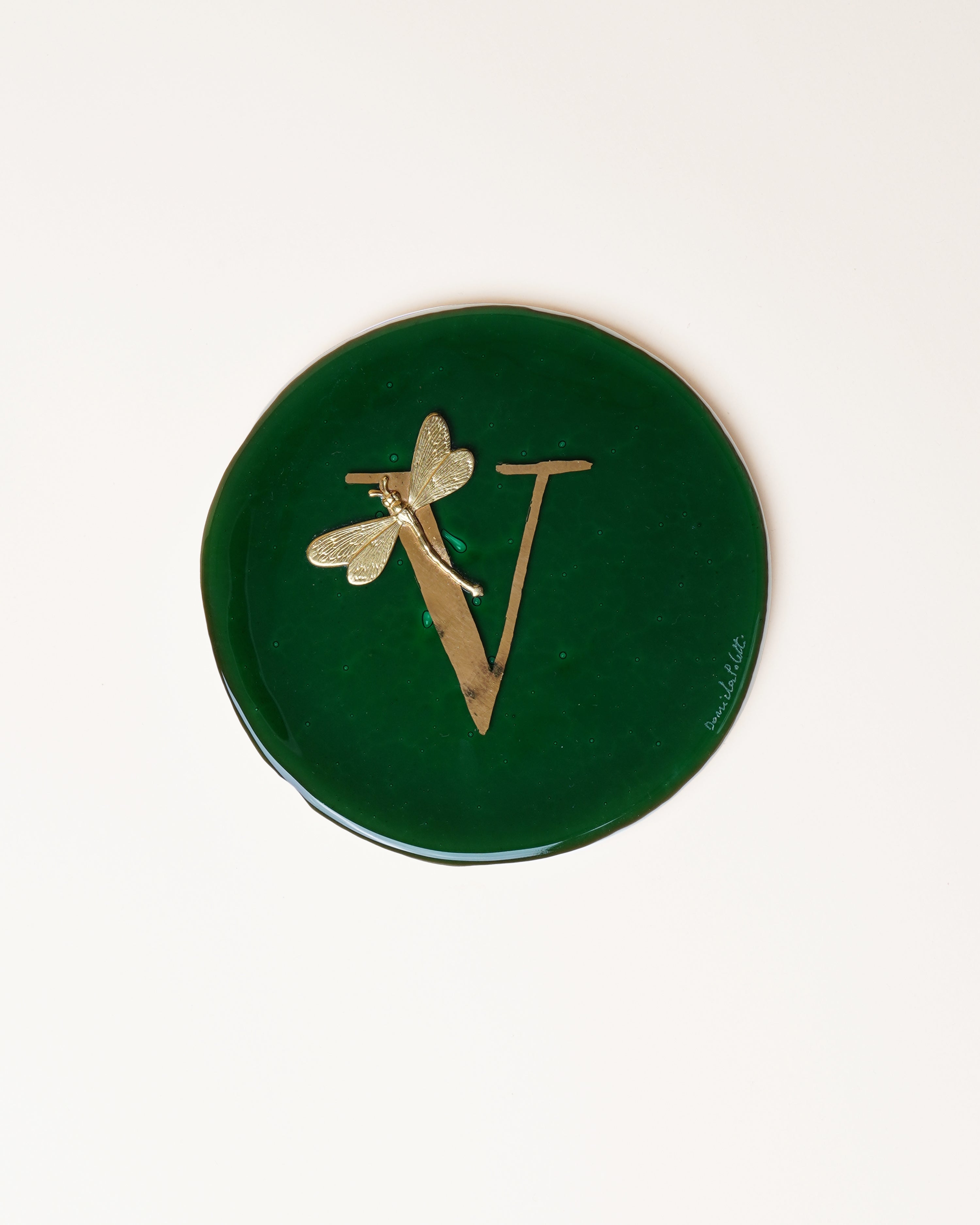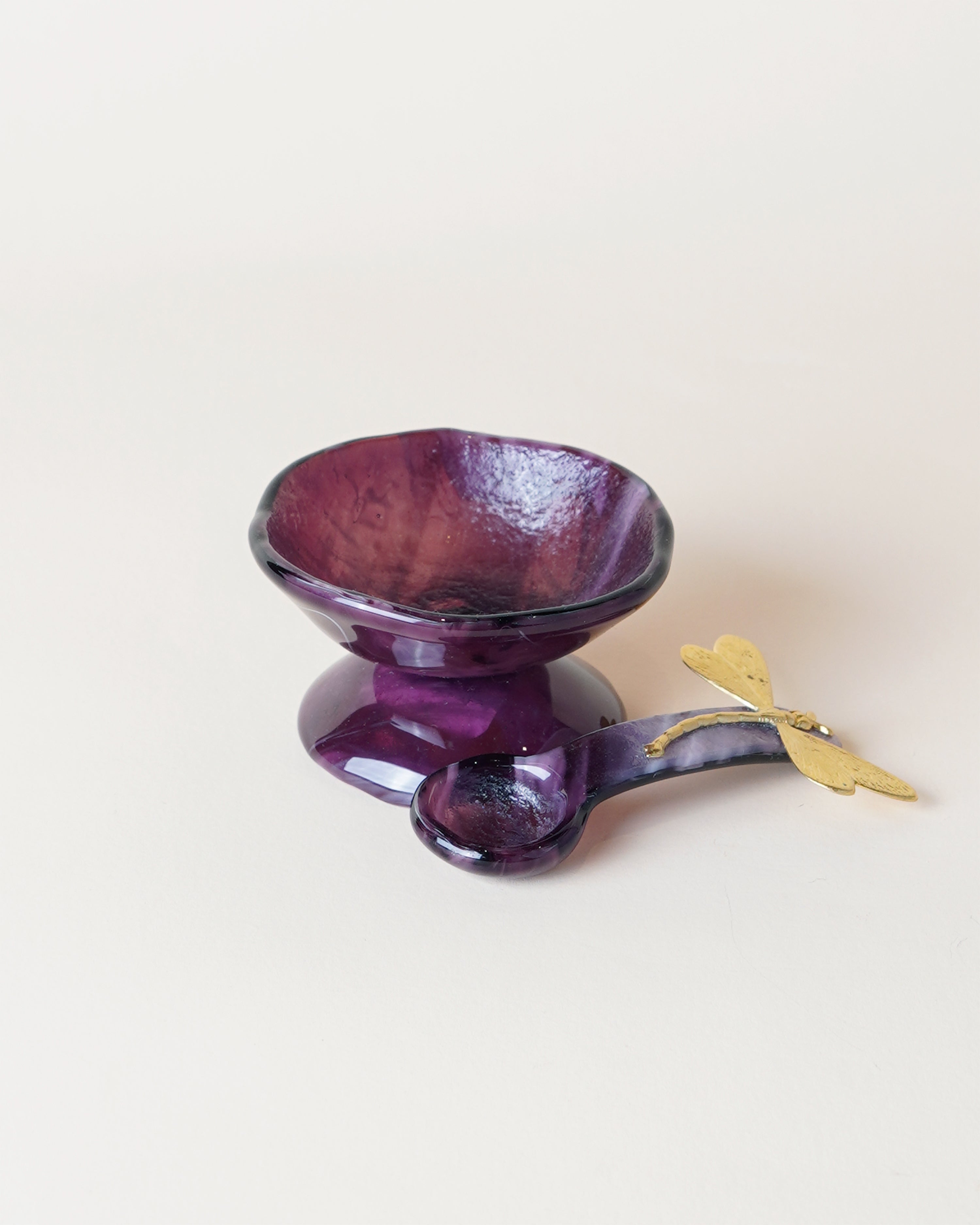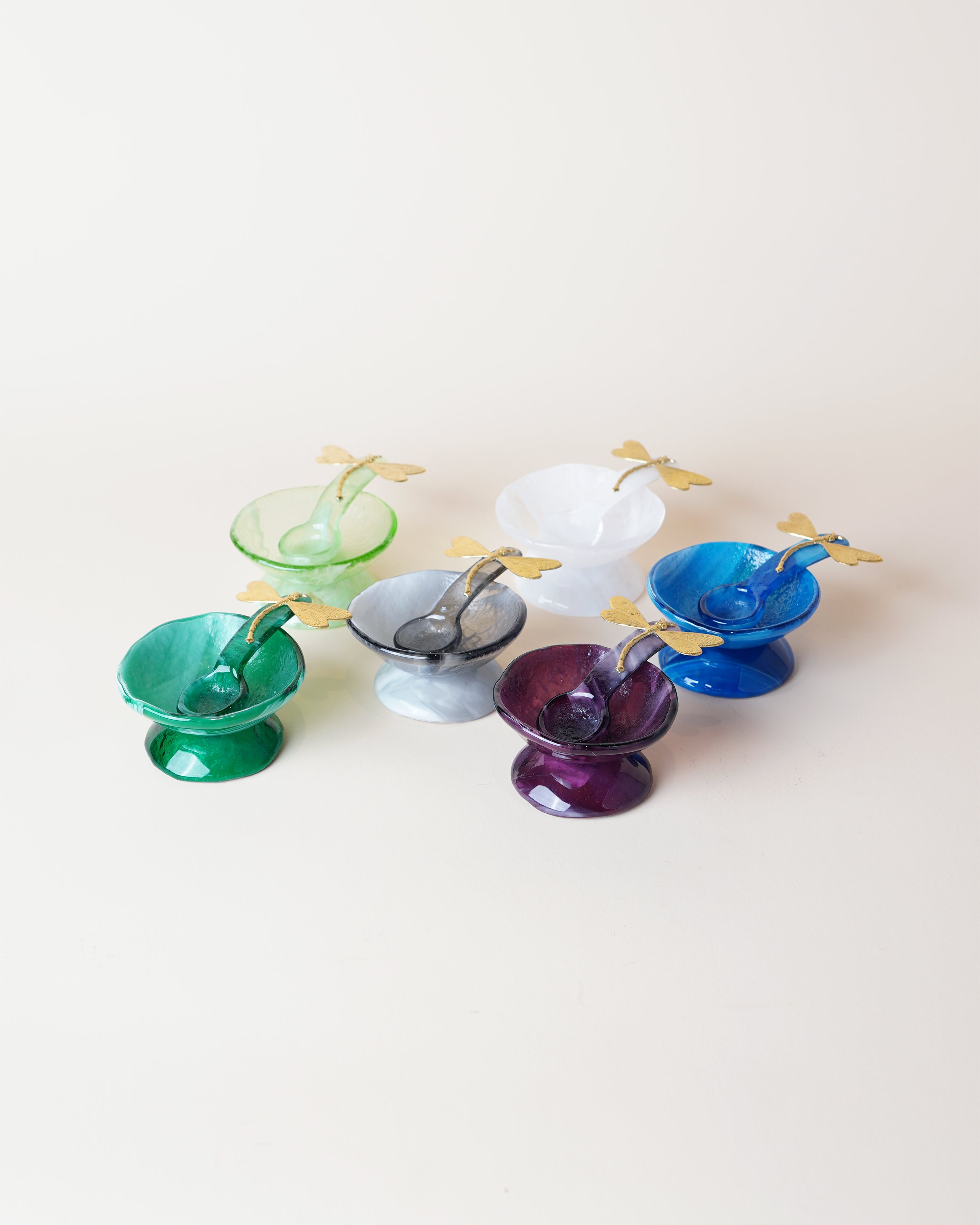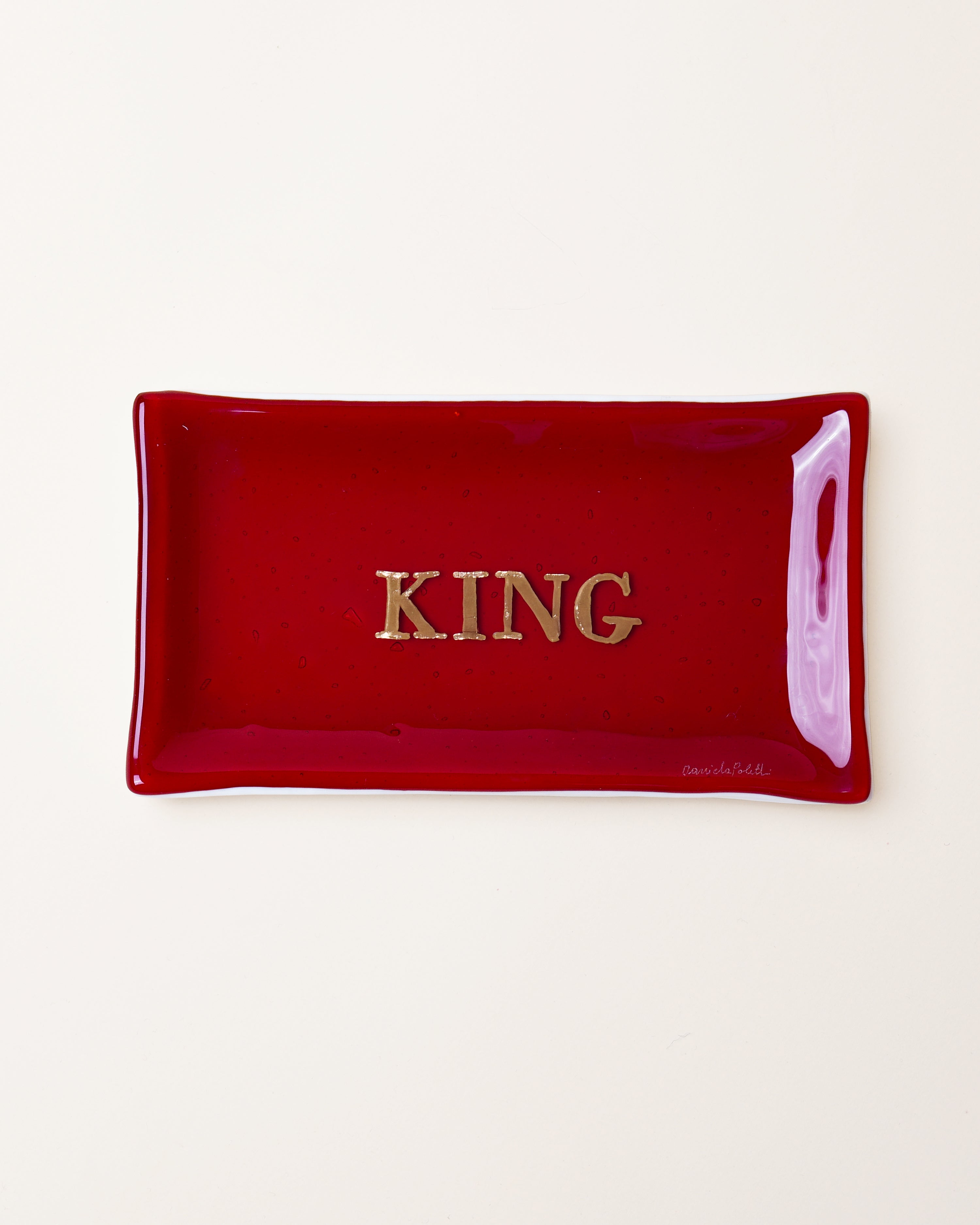


What happens when a love of colour, a curious mind and a little imagination meet the centuries-old art of glassmaking?
For over three decades, Vetrofuso founder Daniela has been turning her curiosity and playful imagination into wonderfully colourful glass creations. From finding inspiration in nature and experimenting with unexpected shapes and colours to embracing the beauty of imperfection, Daniela shares her thoughts on the freedom to create, the importance of honouring tradition while making it your own, and why beautiful objects are meant to be lived with, not just admired.
1. Vetrofuso began in 1992. How has the brand evolved over the years while still staying true to its original spirit?
Daniela: When I think about the beginning of Vetrofuso, I always smile, because I don't think I ever really planned to create a company. It started more from curiosity and from a desire to make things with my hands.
I studied pedagogy, but after the birth of my second child I felt the need to do something creative. I started taking glass fusing courses in Milan, learning different techniques and slowly discovering this incredible material. My first pieces were flowers and cacti. I was simply experimenting and having fun, without imagining where it would take me.
 Then things happened quite naturally. I started showing my work, I had the opportunity to present my first pieces at the Salone del Mobile in Milan, and in 1992 Vetrofuso was born.
Of course, the company has changed enormously since then. We have grown, we have worked with many different designers and brands, and we have created pieces for very different environments — private homes, restaurants, hotels, fashion projects and special commissions. We have also explored lighting, jewellery, tableware and many other directions.
But the original spirit is still there.
For me, it is still about being curious. About seeing something and thinking, “What if I made this in glass?” I still get excited when I discover a new colour combination or a new way of making something.
I think that is perhaps the most important thing that has never changed: I have never wanted Vetrofuso to become something too serious or predictable. I want there to be joy in it.
2. Murano glassmaking carries centuries of history and tradition. As an artist, how do you respect something with such a rich past while still giving yourself the freedom to play with it and make it unmistakably your own?
Daniela: For me, the history of Murano glass is something to be respected, but I don't feel that I have to be afraid of it.
Glass has such an incredible tradition behind it. There are techniques that have been passed down through generations, and there is a level of knowledge and craftsmanship that I find fascinating. But at the same time, I think every artist has to find their own way of speaking through the material.
I have always been attracted to the more playful side of glass. I love colour, I love unusual shapes, and I love taking something that we know and looking at it differently.
This is probably why I started making flowers, cacti, animals and other elements from nature. I wasn't trying to reproduce them perfectly. I wanted to see what would happen if I translated them into my own language, using glass.
And glass always has the last word!
You can have an idea in your head and the material will sometimes say, “No, let's do it this way.” I actually love that. After all these years, glass can still surprise me.
I think that is part of the relationship. You have to know the material, respect it and understand it, but you also have to allow yourself to play.
Tradition gives you roots. Experimentation gives you freedom. I need both.

3. Nature appears again and again in your work — flowers, leaves, fruit, animals — but always through this wonderfully colourful Vetrofuso world. Where does that fascination with the natural world come from, and how does something you see become an object you want to make?
Daniela: I think I have always looked at the world in this way.
I notice little things. A particular green in a leaf, the shape of a flower, the colour of fruit, the way something grows or moves. Sometimes I see a combination of colours and immediately think it could become a beautiful glass piece.
I don't always sketch everything first. Sometimes I do, but very often an idea starts much more instinctively. It can be a shape, a colour, something I have seen while walking, or simply an image that stays in my mind.
Then I start playing with it.
Nature is a wonderful teacher because it is never perfect, and that is exactly what I like. There are so many strange and beautiful combinations in nature. A flower doesn't need to be symmetrical to be beautiful.
I also love spending time outdoors. Walking and hiking give me the opportunity to slow down and look around. I think it is very important for me because when I am in the studio there is always something to do, something to solve, something to create.
 When I am outside, I can simply observe.
And then, very often, something comes back with me.
Maybe I see a particular flower or a colour in the landscape and weeks later I find myself thinking about it in the studio. I don't always know where an idea comes from exactly. Sometimes it just arrives.
I think that is why nature in Vetrofuso is not really about copying nature. It is about capturing something of its energy and translating it into glass.
4. We discovered that you share a birthday with our founder, Jamila — 6th August! You always seem to radiate such warmth and positivity. How much of your own personality and energy do you think finds its way into Vetrofuso and the pieces you create?
Daniela: I was very happy to discover that Jamila and I share the same birthday! 6th August is obviously a very good day.
And yes, I think a lot of me goes into Vetrofuso.
It would be difficult for it to be otherwise. I am the person choosing the colours, the shapes, the details, deciding what I like and what I don't like. So naturally my personality becomes part of the work.
I am a very positive person and I like being surrounded by colour and beautiful things. I also like people, I like sharing, and I like the energy that comes from being together.
I think this is why the table and the home are so important to me. Objects are not just objects when they are part of people's lives. They become part of moments.
And I really believe in the energy of making.
When you make something by hand, you spend time with it. You touch it, you look at it, you make decisions about it. There is an intention behind every piece.
Maybe this sounds a little romantic, but I think people can feel that.
I would love someone to look at a Vetrofuso piece and feel happy. Even if it is just for a second. If a colourful glass flower makes you smile when you walk past it in the morning, then I think it has done its job.

5. Once a Vetrofuso piece leaves your hands and finds its way into someone’s home, how do you hope it will be used and lived with? What would you love it to bring into their everyday life?
Daniela: I always find this part very special because once a piece leaves the studio, I no longer really know what its story will be.
And I like that.
I don't want people to be afraid of our pieces or to feel that they have to keep them somewhere “special”. Of course, they are objects made with care, but I want them to be part of everyday life.
Put the flowers on the table. Use the glasses when friends come for dinner. Put something colourful somewhere you can see it every day.
I love the idea that a piece can become part of a ritual.
 Maybe you have your coffee every morning and there is a Vetrofuso object next to you. Maybe you use a piece for a dinner with friends and years later, when you see it, you remember that evening.
For me, that is much more interesting than simply making something beautiful.
A home should have personality. It should tell you something about the people who live there. And I hope Vetrofuso pieces can contribute to that.
I don't want them to make a home feel perfect. I want them to make it feel alive.
If a Vetrofuso piece brings a little colour, a little joy, a little conversation or simply makes someone stop and smile, then I am happy.
Because ultimately, that is why I make things.